
Complete Siding Comparison Guide: Vinyl, Fiber Cement, Engineered Wood & More
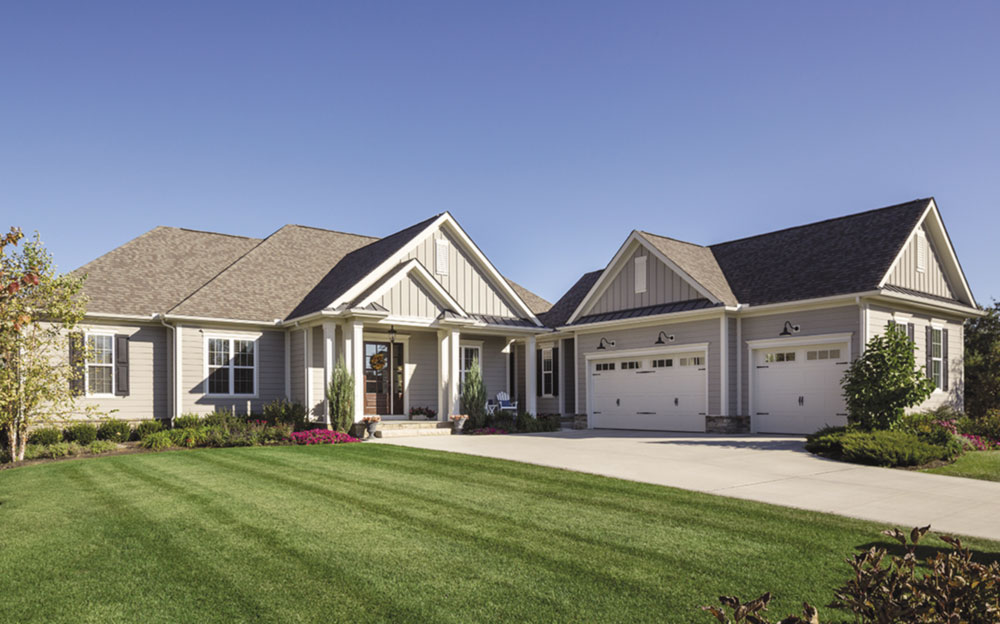
If you’re comparing siding materials for a Michigan home, LP® SmartSide® engineered wood, Gentek vinyl, and James Hardie™ fiber cement siding are the three options our team recommends most. LP® SmartSide® delivers engineered wood performance with a 5/50-year limited warranty and great durability in Michigan weather. Gentek vinyl is the best balance of affordability, low maintenance, and long-term reliability at this price point. James Hardie™ fiber cement has a 30 to 50-year life span and Class A fire rating.
Which is right for your project depends on budget, climate exposure, and style goals. This guide walks through exactly that.
Engineered Wood | Vinyl | Fiber Cement | Natural Wood
Key Takeaways
- LP® SmartSide® and Gentek vinyl are our top siding recommendations for Michigan homes.
- LP® SmartSide® costs $5-9 per square foot installed and carries a 5/50-year limited warranty.
- Vinyl is the lowest-maintenance exterior cladding (no painting or caulking — just periodic cleaning over its 20-40 year lifespan).
- Fiber cement offers the longest lifespan (30-50 years but typically costs 50-80% more than vinyl installed.
- Michigan’s freeze-thaw cycles and hail exposure make siding material selection more consequential here than in milder climates.
What’s the Best Siding for a Michigan Home?
For Michigan homeowners, LP® SmartSide® and Gentek vinyl are the top choices. LP® SmartSide® is the engineered wood pick for homeowners who want a premium wood appearance, superior impact resistance, and a warranty that outlasts most alternative materials. Gentek vinyl is the right call when the priority is low cost upfront, zero-maintenance performance, and a wide color selection.
Fiber cement (James Hardie™) is also a strong option when a builder spec or project requirement calls for it, particularly for fire resistance or Class A cladding requirements.
But for most residential projects in Michigan, LP® and Gentek cover the value spectrum better than any other pairing we carry.
Popular Types of Siding: Comparison Chart
| Siding Type | Installed Cost Range | Est. Lifespan | Maintenance Level | MI Climate Performance |
| Engineered Wood (LP® SmartSide®) | $5-9/sq. ft. | 25-30+ yrs. | Low-Moderate | Excellent; SmartGuard® treatment limits moisture absorption in freeze-thaw cycles |
| Vinyl (Gentek) | $3-7/sq. ft. | 20-40 yrs. | Very low | Good; thinner profiles more vulnerable to hail and cold-weather cracking |
| Fiber Cement (James Hardie™) | $6-13/sq. ft. | 30-50 yrs. | Moderate | Excellent; Class A fire rating, no rot, no pest damage |
| Natural Wood | $6-20/sq. ft. | 15-30 yrs. | High | Fair; expands and contracts in Michigan climate; prone to moisture damage |
Sources: sidingcosts.com (August 2026); This Old House Cost Guide (June 2026); contractor survey data
The key insight from this table: vinyl requires the least ongoing effort of any exterior surface on the list, but LP® SmartSide® closes that gap considerably while delivering better impact resistance and substantially higher-end appearance. The right answer depends on where you land on the cost vs. performance curve.
What Is Engineered Wood Siding?
Engineered wood siding provides the look of real wood at a lower installed cost and with better durability than natural wood. There are some differences between engineered wood brands, usually in the manufacturing process, which is where LP® SmartSide® stands apart from everything else in this category.
About LP® Smartside®
LP® Smartside® uses a proprietary SmartGuard® process that treats wood strands with zinc borate before bonding them with resin. This treats the siding at a structural level, not just on the surface. The result is a product that resists moisture intrusion, fungal decay, and impact damage from the inside out, and it’s why LP® SmartSide® carries a 5/50-year limited warranty while most vinyl products stop at 30.
Independent installers consistently prefer LP® SmartSide® to fiber cement in the field. Where fiber cement generates silica dust when cut and requires specialized diamond-tipped saws, LP® SmartSide® installs with standard woodworking equipment and handles more like real wood. It’s less fatiguing to work with, faster to cut, and produces a cleaner finish at the seams.
| [BLOCKQUOTE]: Our team has heard directly from contractors: they choose LP® before James Hardie™ when they have a say in the spec, because LP® is more forgiving to work with on-site and produces a cleaner finish at cut edges. The performance gap between the two materials doesn’t justify the installation premium James Hardie™ products demand in most residential projects. |
LP® SmartSide® is available at Standard Supply & Lumber in lap siding, trim, soffit, and panel profiles. The ExpertFinish® pre-painted line eliminates on-site painting entirely and is worth considering for projects where tight schedules or labor cost control matter.

Is Vinyl Siding a Good Choice for Michigan Homes?
Vinyl siding accounts for roughly 26% of all U.S. residential siding installations, making it the single most common exterior cladding material in the country. It requires almost no maintenance, the color runs throughout the material so there’s nothing to strip or fade off the surface, and it holds up to insects, moisture, and rot without seasonal treatment. There’s no painting cycle, no re-caulking schedule, and no primer. A quality vinyl installation lasts 20-40 years with nothing beyond occasional cleaning.
There are some tradeoffs, however. Thinner vinyl profiles can become brittle in extreme cold and crack under impact — something Michigan winters and spring hailstorms test regularly. Darker shades are more prone to UV fading over time. And while vinyl has improved significantly in the past decade, it doesn’t carry the same curb appeal premium of engineered wood or fiber cement.
Gentek: Our Recommended Vinyl Siding Brand
Gentek is the vinyl manufacturer we recommend first. Their product line offers a broad color and profile selection including lap and board-and-batten options, with superior UV resistance and strong warranties. Gentek’s manufacturing process runs pigment throughout the PVC material rather than applying it as a surface coating, which is why quality vinyl doesn’t require painting and retains its appearance even after surface abrasion or normal weathering.
For homeowners who want a beautiful, low-maintenance exterior at the most competitive price point, Gentek is the answer.
When Does Fiber Cement Siding Make Sense?
Fiber cement is the premium tier in residential siding. At $6-13 per square foot installation, it costs 50-80% more than comparable vinyl siding, but it delivers a 30-50 year lifespan, Class A fire rating, and a paint cycle that lasts 10-15 years between recoats. For comparison, LP® SmartSide® needs repainting every 7-10 years and natural wood every 5-7.
James Hardie™ controls roughly 90% of the U.S. fiber cement siding market and is the brand most architects and design-build firms specify. Its Hardie® Plank lap siding is widely regarded as the standard for premium residential exteriors. The tradeoff on the installation side is that fiber cement is heavy (about 2.5 pounds per square foot vs. 0.5 pounds for vinyl), requires diamond-tipped cutting tools, and takes 30-50% longer to install than vinyl. Cut edges must be primed immediately on-site — skipping that step is the leading callback driver on James Hardie™ installs in wet climates like Michigan.
At Standard Supply & Lumber, we carry James Hardie™ fiber cement siding for when the project calls for it. It’s a genuine premium product. But for most Michigan homeowners comparing fiber cement and LP® SmartSide® side-by-side, the performance gap is smaller than the price gap, and LP® will deliver better value.
What About Wood Siding?
Wood siding is the classic (cedar, pine, and redwood are the most common) and nothing else quite replicates its authentic grain and depth. But in a Michigan climate, it demands a lot of commitment.
Plan on repainting or restaining wood siding every 5-7 years, annual inspections for moisture infiltration, and active pest management. At $6-20 per square foot installed, it can also be the most expensive siding option. For most homeowners, the maintenance burden outweighs the aesthetic premium when LP® Smartside® can deliver 80% of the wood look at a fraction of the upkeep.
That said, if authentic wood is non-negotiable, Maximo changes the calculation. Maximo is a thermally modified wood siding line (modified using only heat and steam, no chemicals) that reduces the wood’s moisture and sugar content, making it naturally resistant to insects, rot, and decay with far lower maintenance demands than standard natural wood.
Standard Supply & Lumber is now carrying Maximo siding; ask our team about available profiles and finishes.
How Does Michigan Weather Affect Siding Performance?
Most of Michigan sits in USDA Climate Zones 4B, 5A, 5B, 6A, and 6B, which means your siding endures roughly 40-60 freeze-thaw cycles per year in a normal winter. Every cycle expands and contracts the wall assembly. Over years, materials that don’t accommodate this movement (or that absorb moisture at the seams and then freeze) will crack, warp, or delaminate faster than their warranty suggests.
Hail exposure is also a large factor in Michigan, particularly April through June. Vinyl cracking, fiber cement surface chipping, and wood splitting are all documented hail failure modes. LP® SmartSide® has passed third-party impact testing equivalent to 1.75” hailstones, placing it in the top tier for hail resistance among non-metal cladding materials.
For a closer look at what to inspect after a storm, see our guide on assessing hail damage to siding.
How to Choose the Right Siding Material
For Homeowners
Start with three questions:
- What’s my budget for materials and installation?
- How long do I plan to stay in this home?
- How important is low maintenance for me?
Tight budget, staying long-term, low-maintenance priority → Gentek vinyl. You’ll spend the least upfront and least over a 20-year ownership window.
Mid-range budget, staying long-term, want wood appearance → LP® SmartSide®. The 5/50-year limited warranty and impact resistance make it the best long-term value for Michigan homeowners.
Premium budget, design spec, or fire-resistance requirement → James Hardie™ fiber cement. Worth the premium if resale value, Class A fire rating, or a specific architectural aesthetic is the priority.
Whatever material you choose, installation quality matters just as much as the product itself. Ask your contractor about their experience with a specific material (e.g., their process for leaving thermal expansion gaps in vinyl, how they handle cut-edge priming on fiber cement).
For Contractors
Material choice affects your crew’s time and your callback rate. Vinyl installs fastest. LP® SmartSide® installs nearly as fast with standard woodworking tools and no specialized cutting equipment. Fiber cement requires diamond-tipped saws, adds 30–50% to install time vs. vinyl, and every cut edge must be primed immediately on-site.
For new residential construction in Michigan, our team’s consistent recommendation to contractors is LP® SmartSide®. It’s the right combination of aesthetics, performance, and installation efficiency for most project types. And when clients want the wood look, LP® gets you there without the training requirements and tool costs that come with a fiber cement learning curve.
Explore Siding Options at Standard Supply & Lumber
Whether you’re building new or replacing aging siding, our team works with homeowners, remodelers, and contractors across Michigan to specify, source, and supply the right exterior materials for every project. We carry Gentek vinyl, LP® SmartSide®, James Hardie™, and a full line of exterior trim and accessories — all backed by expert guidance from people who work in this market every day.
Frequently Asked Questions About Siding Materials
What siding material requires the least maintenance?
Vinyl siding requires the least ongoing maintenance of any common exterior cladding. It doesn’t need painting, caulking, or seasonal treatment — just periodic cleaning with a soft brush and mild detergent. A quality Gentek vinyl installation can go its full lifespan without a single paint application, making it the right choice for homeowners who want an exterior that takes care of itself.
Is LP® Smartside® better than vinyl siding?
LP® SmartSide® and vinyl serve different goals on the budget-performance curve. LP® SmartSide® costs more upfront ($5–$9/sq. ft. installed vs. $3–$7/sq. ft. for vinyl) but offers better impact resistance, a more authentic wood appearance, and a 5/50-year limited warranty. For Michigan homes in active hail zones or where wood aesthetics are a priority, LP® SmartSide®‘s advantages over standard vinyl are meaningful.
How long does vinyl siding last on a Michigan home?
With proper installation, quality vinyl siding lasts 20–40 years. Lifespan depends heavily on installation technique (panels must be fastened to allow thermal expansion), the profile thickness (.046″ and above outperform budget-grade options significantly), UV exposure, and hail history.
See our vinyl siding maintenance guide →
What siding material holds up best in Michigan winters?
Engineered wood (LP® SmartSide®) and fiber cement both perform well through Michigan’s freeze-thaw cycles because they absorb less moisture than natural wood and don’t develop the same expansion-contraction stress at the seams.
High-quality vinyl with proper installation also performs well — the single most important factor for vinyl is correct thermal expansion gaps during installation.
Natural wood and thin-profile vinyl are the weakest performers in Michigan winters.
Is fiber cement siding worth the extra cost?
Fiber cement makes financial sense if you’re prioritizing a 30–50-year lifespan, Class A fire resistance, or a paint-hold cycle that extends 15+ years between recoats. At $5–$14/sq. ft. installed, it runs 50–80% more than vinyl. For most standard Michigan residential projects, LP® SmartSide® delivers comparable aesthetics at a significantly lower installed price.
What does it cost to re-side a house in Michigan?
For a typical 2,000 sq. ft. home, re-siding costs roughly $8,000–$16,000 with quality vinyl, $9,000–$18,000 with LP® SmartSide®, and $16,000–$28,000 with fiber cement. Final costs vary based on home complexity, removal of existing material, the number of corners and architectural features, and regional labor rates.
